
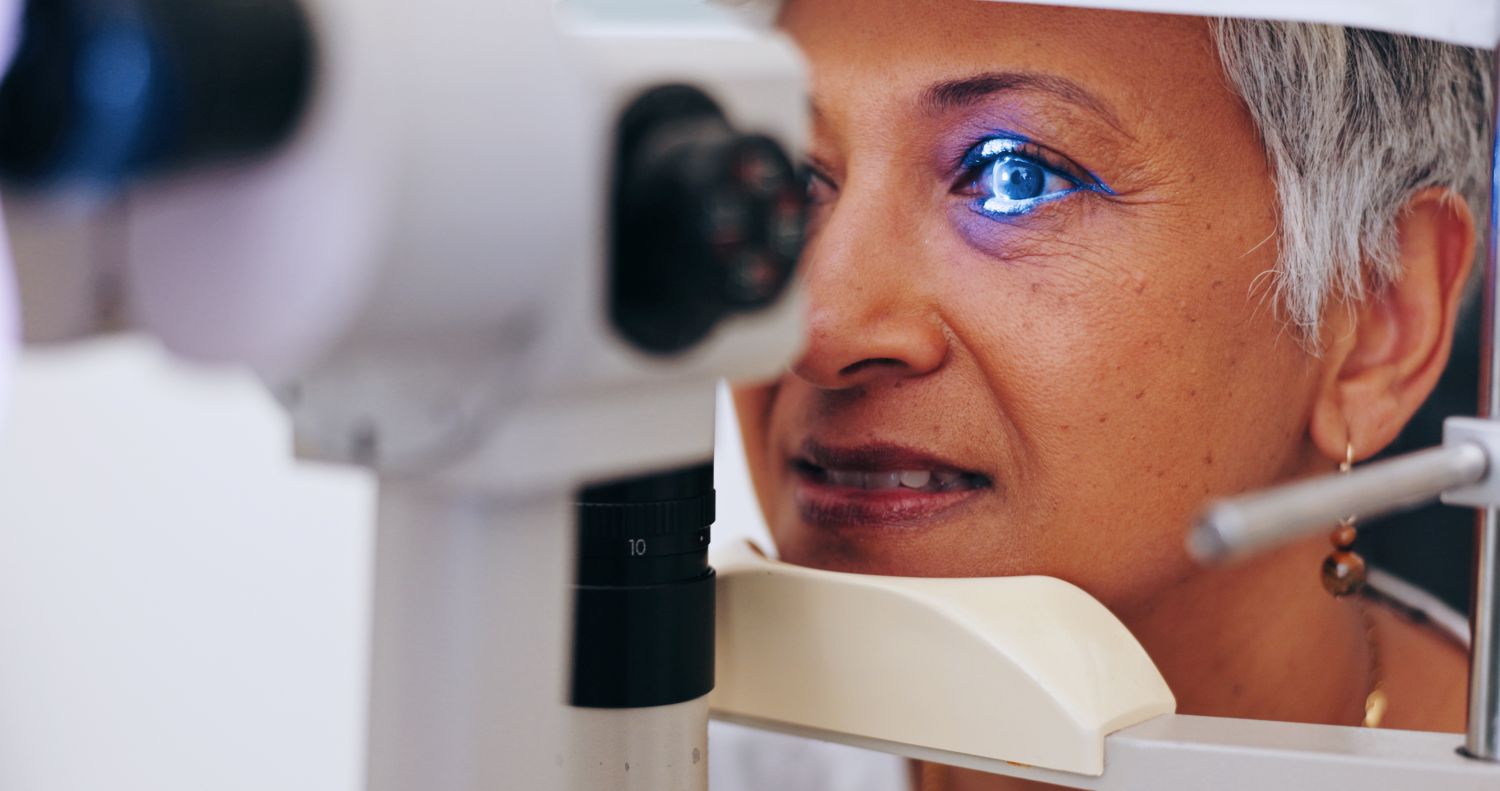
Glaucoma is often referred to as the “silent thief of sight” because it typically develops without noticeable symptoms until significant damage has occurred. This insidious eye condition can lead to irreversible vision loss if not detected early. Understanding glaucoma, its risk factors, and the importance of early detection can empower individuals to take proactive steps toward preserving their vision. In this article, we will explore the nature of glaucoma, its various forms, detection methods, and strategies for prevention.
What is Glaucoma?
Glaucoma is a group of eye diseases characterized by damage to the optic nerve, often associated with increased intraocular pressure (IOP). The optic nerve transmits visual information from the eye to the brain, and when it is compromised, vision can be severely affected. Glaucoma can lead to peripheral vision loss and, in advanced stages, complete blindness.
Types of Glaucoma
There are two primary types of glaucoma:
- Open-Angle Glaucoma: This is the most common form, accounting for approximately 90% of glaucoma cases. It occurs when the drainage canals of the eye become clogged over time, leading to gradually increasing IOP. Most people do not experience symptoms until significant vision loss has occurred.
- Angle-Closure Glaucoma: This type occurs when the iris bulges forward, blocking the drainage angle and causing a rapid increase in IOP. Angle-closure glaucoma can present with sudden symptoms, including severe eye pain, headache, nausea, and blurred vision. This form is considered a medical emergency and requires immediate attention.
Risk Factors for Glaucoma
Certain factors can increase the risk of developing glaucoma, including:
- Age: Individuals over the age of 60 are at a higher risk.
- Family History: A family history of glaucoma increases susceptibility.
- Ethnicity: African Americans, Hispanics, and Asians have a higher prevalence of certain types of glaucoma.
- Medical Conditions: Conditions such as diabetes, high blood pressure, and hypothyroidism can elevate the risk.
- Eye Injuries: Previous trauma to the eye can lead to the development of glaucoma.
- Prolonged Use of Corticosteroids: Long-term use of corticosteroid medications can increase IOP.
The Importance of Early Detection
Early detection of glaucoma is crucial for preserving vision. Regular eye exams can help identify changes in eye pressure and optic nerve health before significant damage occurs. Unfortunately, many individuals are unaware of their risk factors or the importance of routine eye examinations.
Recommended Screening Guidelines
- Routine Eye Exams: Adults should have a comprehensive eye exam at least every two years. Those at higher risk should be screened more frequently.
- IOP Measurement: Eye care professionals can measure intraocular pressure during routine exams to detect potential issues.
- Optic Nerve Assessment: An examination of the optic nerve head can reveal signs of damage associated with glaucoma.
- Visual Field Testing: This test assesses peripheral vision and can help detect early signs of glaucoma-related vision loss.
Detection Methods
Advancements in technology have led to improved detection methods for glaucoma:
1. Tonometry
Tonometry measures the pressure inside the eye. A higher-than-normal IOP may indicate a risk for glaucoma. There are several types of tonometers, including non-contact (air puff) and applanation tonometry.
2. Ophthalmoscopy
This technique involves examining the optic nerve using a special instrument called an ophthalmoscope. The appearance of the optic nerve can indicate damage associated with glaucoma.
3. Optical Coherence Tomography (OCT)
OCT is a non-invasive imaging technique that provides detailed cross-sectional images of the retina and optic nerve. It allows for the assessment of nerve fiber layer thickness, helping to detect early signs of glaucoma.
4. Visual Field Testing
Visual field tests assess peripheral vision and can identify blind spots that may indicate glaucoma. This test is crucial for monitoring disease progression.
Strategies for Prevention and Management
While not all cases of glaucoma can be prevented, there are steps individuals can take to reduce their risk and manage the condition effectively:
1. Regular Eye Exams
As previously mentioned, routine eye examinations are essential for early detection. Individuals should prioritize eye care, especially those with risk factors.
2. Medications and Treatment
If diagnosed with glaucoma, adhering to prescribed medications is crucial. Various treatments, including eye drops and laser therapy, can help manage IOP and preserve vision.
3. Lifestyle Modifications
Maintaining a healthy lifestyle can contribute to eye health. This includes regular exercise, a balanced diet rich in antioxidants, and avoiding excessive caffeine and smoking.
4. Awareness and Education
Educating oneself about glaucoma and its risk factors can empower individuals to seek timely medical advice and treatment. Awareness campaigns can help dispel myths and encourage regular screenings.
Conclusion
Glaucoma is a significant public health concern that can lead to irreversible vision loss if not detected early. Understanding the nature of this “invisible threat,” recognizing risk factors, and prioritizing regular eye examinations are essential steps in preserving vision. By embracing proactive measures, individuals can take control of their eye health and mitigate the risks associated with glaucoma. Remember, early detection is key—don’t wait until it’s too late to safeguard your sight.
Tags: Health